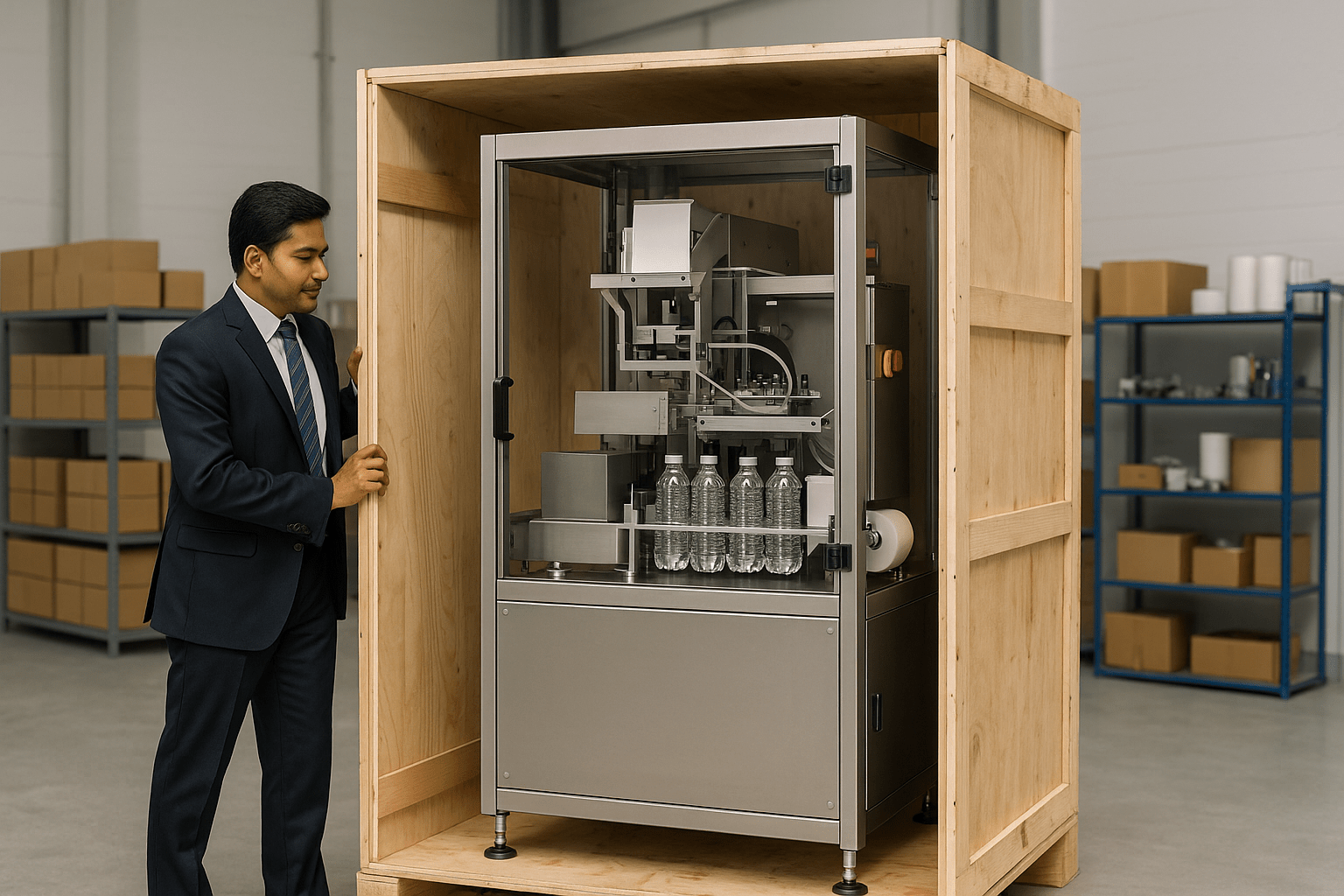
In today’s fast-paced manufacturing and logistics environment, packaging efficiency has become a strategic priority. Businesses are under pressure to reduce costs, improve productivity, and maintain high-quality standards. Manual packaging processes—while initially appealing due to lower setup costs—often lead to operational inefficiencies, labor bottlenecks, and inconsistent outcomes.
Imagine a single machine capable of inserting product leaflets, collecting bottles, and wrapping them—all within a streamlined process. This revolutionary, all-in-one system not only addresses longstanding inefficiencies but also propels businesses toward smarter, more sustainable manufacturing. Let’s explore how this integrated system saves time, cuts labor costs, and elevates your packaging line’s performance.
Before highlighting the advantages of the integrated solution, it’s important to understand the pitfalls of conventional, segmented packaging setups:
1. Labor-Intensive Operations
- Multiple machines require multiple operators, driving up labor costs.
- Human error in leaflet placement or bottle alignment can lead to product rework.
2. Excessive Use of Floor Space
- Separate units for leaflet insertion, bottle collection, and wrapping consume valuable production space.
- Floor congestion can impact safety and workflow.
3. Downtime & Bottlenecks
- If one machine malfunctions, the entire line may stop.
- Disjointed systems lack synchronization, leading to inefficiencies.
4. Inconsistent Product Output
- Varying machines may output inconsistent quality, affecting brand perception.
5. Complex Maintenance Requirements
- Maintaining multiple machines from different manufacturers complicates repairs and training.
| Aspect | Traditional Setup | All-in-One Machine |
|---|
| Labor | 3+ operators | 1 operator |
| Time | Slower due to manual steps | Faster automated process |
| Errors | Higher due to manual handling | Significantly reduced |
| Maintenance | Multiple points of failure | Centralized, easier maintenance |