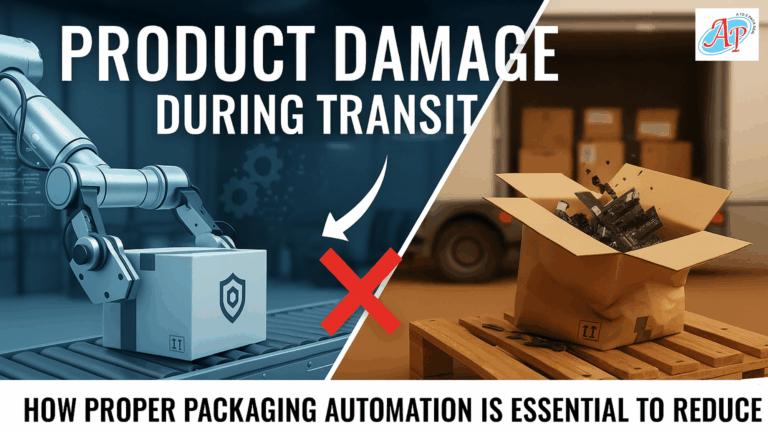
The logistics sector in India stands at a critical juncture, characterized by rapid expansion and immense complexity. Driven by robust industrial activity and a booming digital commerce landscape, the sector is projected for significant growth, with projections indicating a Compound Annual Growth Rate (CAGR) of 10.5%. This trajectory positions India for economic ascent; however, this speed of growth amplifies operational risks, demanding meticulous attention to fundamental supply chain functions, particularly proper packaging.
For modern supply chain managers, the cost of inefficient logistics represents a substantial drag on profitability. A recent assessment by the National Council of Applied Economic Research (NCAER) indicated that India’s total logistics cost for the 2023–24 fiscal year was estimated at 7.97% of its Gross Domestic Product (GDP). While this figure shows signs of slowing growth due to government infrastructure initiatives, it remains a critical indicator of the massive economic incentive available for companies that successfully target and eliminate inefficiencies.
Transit damage, often an uncalculated cost, contributes significantly to this burden through direct product loss, complex reverse logistics, replacement shipping expenses, and strained inventory cycles. Compounding this challenge is the nature of India’s e-commerce market, where a high proportion of orders utilize Cash-on-Delivery (COD). Alarmingly, 25% to 30% of COD orders result in Returns-to-Origin (RTOs). When a product arrives visibly damaged, RTO is guaranteed, transforming a preventable packaging failure into a double loss encompassing product cost and multiple logistics fees. The investment in robust packaging solutions is, therefore, a strategic defense against these high, systemic costs.
The consequences of product damage extend far beyond the balance sheet; they strike directly at a brand’s integrity and long-term viability. Reliable, undamaged delivery is a fundamental customer expectation that underpins consumer trust and loyalty. In the age of instantaneous digital feedback, a single negative delivery experience can trigger public complaints and social media backlash, deterring new customers.
The quantitative risk associated with reputational damage is severe. Businesses that incur four or more negative articles online face the risk of losing up to 70% of prospective customers. This non-linear risk means that seemingly minor delivery failures can lead to disproportionately large financial and market losses. By consistently utilizing secure packaging to deliver products intact and on time, organizations not only safeguard but actively enhance their enterprise value, positioning their brand identity around integrity and reliability.
Effective transit damage prevention relies on a granular understanding of the mechanical and environmental forces that packages endure throughout the supply chain. These stresses are particularly intense in India’s logistics environment, where transport conditions can be unpredictable. Four primary forces define the hazards that necessitate technically advanced packaging.
Shock refers to sudden, intense forces, such as those experienced when a package is dropped, subjected to rough handling, or encounters mechanical impacts during the loading and unloading processes. For delicate items like electronics or glassware, impact is an immediate source of catastrophic failure.
Mitigation strategies for shock require a combination of high-quality primary packaging cushioning and rigid load securement. For high-value or highly sensitive items, specialized cushioning materials like foam inserts, often precision-cut to match the product’s dimensions, are deployed to restrict movement and provide exceptional shock absorption.
Vibration presents a continuous and insidious threat. It is a constant factor in road transport—the most common, yet most expensive non-air transport mode in India at ₹3.78 per tonne-kilometer (PTPK). Sustained road travel creates repetitive, low-amplitude stress that leads to product abrasion, shifting, and the loosening of components within a package.
The critical mitigation strategy here is ensuring unit load stability. Secondary packaging automation is essential for fusing multiple packages into a single, rigid unit, thereby minimizing internal movement and preventing friction damage. For extremely heavy and delicate machinery, engineers may specify specialized vibration mitigation tools, such as multi-directional pads or Skid-Mates, which attach to the underside of a skid to absorb vibration over long transit distances.
Compression failure occurs when packages collapse under the static weight of other items stacked above them during warehousing or multi-stacked transportation. This phenomenon highlights a critical technical requirement: the secondary packaging, typically corrugated cartons, must possess adequate Box Compression Strength (BCT).
Manufacturers must move beyond anecdotal estimates and utilize compression testing to determine the maximum predictable compressive load a carton can withstand before deforming or failing. Furthermore, structural engineers understand that the product inside the carton often contributes to the package’s overall strength. If the product itself is rigid, it can help support the vertical stacking load. Conversely, if the product is fragile or irregular, the carton must be over-engineered to carry the entire load without internal support.
Exposure to environmental factors—particularly high humidity, dust, and moisture—can compromise package integrity and product quality. A lack of protection against these factors can cause the primary containment (like corrugated boxes) to break down, necessitating time-consuming and costly repackaging.
Mitigation requires high-quality, weather-resistant barrier films and hermetic sealing. This is particularly crucial for temperature-sensitive items, pharmaceuticals, and industrial metal components susceptible to rust and corrosion.
The following matrix summarizes the essential link between transit hazards and the packaging solutions necessary to overcome them:
Transit Hazard Mitigation Matrix: Linking Damage Causes to AmarPack Solutions
| Transit Hazard | Mechanism of Damage | Risk Level (India Context) | Protective Packaging Strategy | Relevant AmarPack Machine Solution |
| Shock and Impact | Sudden G-forces (drops, shunting). | High (Manual handling, road transport) | Cushioning (foam/dampeners), rigid primary support, load retention. | Fully Automatic L-Sealers and Box Strapping Machines. |
| Vibration | Repetitive movement leading to friction, abrasion, and shifting. | Extreme (Road dominated, rough transport) | Unit load stability, containment force, fusing individual packages into a unit load. | Automatic Shrink Wrapping Machine (using high-gauge LDPE film for maximal stability). |
| Compression | Static vertical pressure exceeding Box Compression Strength (BCT). | High (Vertical stacking in warehousing/transit) | Compression testing compliance (ISTA), interlocked palletization, product-supported carton design. | Pallet wrapping systems ensuring even load distribution and secure stacking. |
| Environmental Damage | Exposure to moisture, dust, high humidity, rust, oxygen. | High (Monsoon/dust exposure) | Hermetic barrier sealing, moisture removal, and UV/weather-resistant films. | Vacuum Packaging Machines and Automatic Shrink Wrapping Machines. |
Working Demo Of Packaging Machine Manufactured By AmarPack Machines Pvt Ltd
For More, Visit Official Youtube Channel: AmarPack Machines Pvt Ltd
Transit damage prevention must begin at the unit level. Even the most technologically advanced packaging solutions will fail if the foundation—the pallet load—is inherently unstable.
The foundation must be robust. Organizations should avoid cracked boards, loose nails, or damaged edges. Sturdy pallets are non-negotiable, and many large logistics operations are transitioning toward plastic pallets, which resist moisture, avoid splintering, and maintain their integrity better than wood under extreme conditions.
Proper stacking discipline is equally vital. Heaviest items must form the base, and cartons must be aligned tightly to eliminate gaps, which create weak points. A fundamental best practice involves using an interlocking or “brick pattern,” alternating the placement of boxes on each layer. This technique distributes weight evenly, significantly improving overall load strength and resisting the shifting forces of transportation. Critically, no boxes should extend beyond the pallet edge (overhang), as this makes the cartons highly susceptible to crushing and tearing—a common point of failure during handling and transit.
For a palletized load to survive the dynamic forces inherent in the Indian supply chain, it must possess a quantifiable measure of stability known as “containment force.” This is defined as the minimum force required to keep the entire load stable and secure on the pallet.
Achieving this containment force reliably necessitates the use of high-quality stretch wrap, ideally 70-gauge film or thicker, applied tightly and consistently. The mechanical consistency delivered by secondary packaging automation is the only reliable method for guaranteeing that every unit load meets this minimum containment force requirement, preventing the shifting and loosening that cause product damage.
As a leading packaging machine manufacturer in India, AmarPack Machines Pvt Ltd specializes in providing high-performance technologies engineered to meet the stringent requirements of modern transport safety across various industrial sectors.
Shrink wrapping is an indispensable technique for ensuring secure packaging in the FMCG, beverage, and pharmaceutical industries, as well as complex industrial bundling applications.
Automatic Shrink Wrapping Machines function by enveloping products in a heat-sensitive plastic film that, upon exposure to heat within a shrink tunnel, conforms tightly to the product’s shape, creating a secure, tamper-proof seal. This seal provides a powerful barrier against dust, moisture, and potential damage during shipping.
Crucially, shrink wrap bundles multiple individual packages (bottles, boxes) into a single, cohesive, stable, and uniform unit. This unification drastically reduces the opportunity for items to shift or fall during transport. The resulting uniformity optimizes vertical space utilization during stacking, which is a key efficiency factor in warehouses and transport containers. By automating this process, the inconsistency and human error variables common in manual operations are eliminated, ensuring every package receives identical treatment, which is essential for consistent transit damage prevention. Studies suggest that ineffective stretch wrapping is the root cause of about 50% of in-transit product damage in industries like paper and tissue. Automation directly addresses this vulnerability.
AmarPack’s solutions are tailored for specific protection needs:
Fully Automatic L-Sealers and Shrink Tunnels deliver high-speed, automated sealing for retail combo packs, ensuring leak-proof wrapping for products like shampoo bottles and providing premium shelf appeal for face cream kits.
For industrial packaging needs, AmarPack’s systems are designed for shock-resistant applications. This includes wrapping industrial relay packs using steam tunnel machines for smooth shrinkage and shock absorption, and applying anti-static film via Automatic Web Sealers for sensitive PCB Board Boxes, ensuring protection during handling.
To effectively reduce product damage during transit, the selection of film chemistry and thickness (gauge) must be precise. AmarPack advises clients on material choice based on the load’s characteristics:
POF (Polyolefin) Film: Known for its high clarity, strength, and food-safe properties, POF is preferred for retail and pharmaceutical packaging where appearance and tamper-proofing are critical.
LDPE (Low-Density Polyethylene) Film: Thicker and significantly more durable, LDPE is essential for heavy-duty applications, such as bundling beverage multipacks or securing large industrial items. High-gauge LDPE wrap (e.g., 90-gauge or 100/115-gauge) is necessary for heavy, demanding loads (up to 3,000 pounds) or those with sharp, irregular edges, providing the required puncture and tear resistance for transport safety.
The decision to choose a specific film type and gauge is a technical factor that distinguishes true protective packaging systems from general wrapping operations.
Shrink Film Chemistries and Gauge Selection for Optimal Transit Safety
| Film Type | Key Characteristic | Primary Transit Benefit | Recommended Application (AmarPack Solutions) | Required Gauge for Heavy Duty (Example) |
| POF (Polyolefin) | High clarity, strong, food-safe, flexible. | Excellent tamper evidence, hygiene, and medium-load stability. | FMCG, Retail Kits, Nutraceuticals, Food & Beverage bundling. | Standard (adequate for cartons/bottles) |
| LDPE (Low-Density Polyethylene) | Thicker, high durability, heavy-duty resistance. | Maximum load retention, superior puncture resistance, moisture barrier. | Heavy industrial parts, multipack beverages, irregular/sharp industrial loads. | 90-115 Gauge (for loads up to 3,000 lbs). |
| PVC (Polyvinyl Chloride) | Cost-effective, lightweight. | General consumer goods, minimal transport shock risk. | Light retail, short-distance distribution. | N/A (Limited durability for high-risk transit) |
For highly sensitive, high-value, or regulated goods where oxygen, moisture, and contamination are zero-tolerance risks, simple wrapping is inadequate. AmarPack’s Vacuum Packaging Machines offer a highly specialized defense mechanism.
Vacuum sealing extends product shelf life, making it ideal for food and pharmaceuticals, by removing air and establishing a hermetic seal that prevents oxygen-driven spoilage and maintains tamper-proof integrity.
However, the application in industrial packaging provides unique benefits for transit damage prevention:
Environmental Barriers: Vacuum sealing is essential for protecting industrial products and metal parts from rust, moisture, and dust during storage and transportation.
Scratch and Movement Prevention: By removing air, vacuum packaging tightly holds the product within the bag, preventing the items from shifting or hitting each other due to shaking during transport, thereby eliminating scratch damage.
Component Integrity: Critical electronic sensors, battery modules, and specialized composite materials (like carbon fiber) must be vacuum-sealed to prevent moisture ingress and maintain structural integrity and functional reliability under harsh working conditions.
AmarPack’s commitment to comprehensive packaging solutions includes equipment that reinforces secondary packaging:
Box Strapping Machines provide essential stability by securing bundles and reinforcing packages, ensuring they maintain their shape and load-bearing capacity during stacking and handling.
Continuous Band Sealers deliver strong, secure sealing for a diverse range of packaging materials, enhancing production efficiency while ensuring durable containment.
The pursuit of secure packaging must move decisively beyond guesswork. Industry-specific standards, particularly those developed by the International Safe Transit Association (ISTA), provide the necessary technical validation and verification required to reduce product damage during transit.
Packaging testing is the scientific process used to determine precisely how well a packaging system will perform under predictable, simulated real-world transit conditions. This preparatory testing allows companies to optimize packaging design early, which saves substantial money over time, increases brand loyalty, and drastically reduces costly product claim headaches.
Companies utilizing industrial packaging must align their protective strategies with the ISTA standards:
ISTA 1 Series: These are integrity performance tests, functioning as a basic screening tool to challenge the overall resilience of the package combination.
ISTA 2 Series: These are partial simulation tests, useful for refining preliminary packaging designs and identifying potential weaknesses.
ISTA 3 Series: These represent the gold standard for general transport safety simulation. They are designed to replicate the actual damage-producing motions, forces, conditions, and sequences encountered throughout the supply chain (including drops, sustained vibration, and compression).
Compliance testing requires specialized equipment and processes that precisely measure package performance against expected hazards:
Compression Testing: Essential for simulating stacking stress. It quantifies the load-bearing capacity of the packaging material before deformation occurs, ensuring stacking efficiency in storage environments.
Vibration and Shock Testing: Utilizing equipment such as random vibration tables and incline impact ramps simulates the sustained movement of road and rail transport and the mechanical shock of handling, guaranteeing that the engineered load retention force is sufficient to protect the contents.
Demonstrable adherence to quantifiable ISTA standards shifts the dynamics of liability. By proving that packaging met rigorous industry benchmarks, shippers gain verifiable data, which protects margins and mitigates disputes over damaged goods, confirming their due diligence in achieving proper packaging.
Investing in secondary packaging automation is not merely an operational cost; it is a financial strategy with a profound and measurable Return on Investment (ROI). Automation fundamentally addresses the inconsistencies, material waste, and labor dependencies that cripple manually managed logistics operations.
The true financial impact of transit damage far exceeds the wholesale cost of the lost product. The Total Cost of Damage (TCD) includes non-linear costs that erode business stability :
Loss of repeat business due to customer dissatisfaction and eroded trust.
The escalating costs associated with reverse logistics and replacement shipping.
Operational disruptions, including inventory delays and planning inefficiencies.
Strained partnerships with retailers and distributors who rely on timely, undamaged goods.
The severe risk of reputational damage, where losing up to 70% of potential customers is possible after a crisis , implies that even small percentage reductions in transit damage yield disproportionately large returns on investment by preventing brand crises and safeguarding market share.
Automated systems deliver quantifiable savings across multiple operational fronts, justifying the initial capital expenditure. Case studies suggest that the ROI for automated packaging machines can often be realized within 2 to 3 years, making them a financially sound investment for operations processing as few as 600 parcels per day.
Material Optimization and Waste Reduction: Automated systems ensure precise film application and control, significantly reducing material waste compared to inconsistent manual operations. Companies commonly report material savings of 10% to 15% through optimized film usage.
Labor Cost Reduction: Automation dramatically accelerates wrapping speeds and reduces the reliance on extensive manual labor. Labor savings can be directly calculated based on the reduction in required workers and the elimination of repetitive, time-consuming tasks like manual pallet rewrapping.
Transportation Savings: Automated, compact, and uniformly wrapped packaging minimizes void fill and maximizes cargo space utilization. This efficiency in load formation leads to significant transportation cost savings, with some clients achieving up to 32% volume efficiency gain.
The estimated ROI metrics for automated protective packaging are compelling:
Estimated ROI Metrics for Protective Packaging Automation Investment
| Savings Metric | Pre-Automation Baseline (Manual) | Post-Automation Potential | Impact & Justification |
| Product Damage/Loss Rate | Estimated 2% – 5% of shipments damaged (high-risk environment). | Reduction to $<0.5$% (High consistency and engineered stability). | Direct cost recovery, reduced reverse logistics (RTO), and avoidance of reputational penalties.5 |
| Packaging Material Waste | 10% – 15% wastage (Inconsistent manual application, excessive film use).36 | Reduction to 2% – 5% (Precise film control and optimized sealing).25 | Directly reduces procurement costs, enhances sustainability metrics.37 |
| Labor Time per Unit (Throughput) | High labor costs, inconsistent speed, prone to error.18 | Up to 50% time reduction (Automation of sealing, wrapping, and application).18 | Significant reduction in ongoing operational expenditure (OPEX) and labor costs realized rapidly.37 |
| Transportation Volume Efficiency | Low (Bulky, uneven, manual loads). | High (Compact, uniform, maximized vertical stacking). | Up to 32% savings demonstrated in case studies due to efficient, optimized load formation.35 |
The imperative to reduce product damage during transit represents the most critical operational challenge for India’s growing industries. It necessitates a fundamental shift away from reactive loss mitigation toward proactive investment in highly engineered protective packaging systems.
To thrive in India’s complex supply chain environment, businesses must adopt secondary packaging automation. This strategic approach utilizes technology to eliminate human error, guarantee verifiable load stability, and ensure compliance with global standards like ISTA. By investing in advanced packaging solutions—specifically high-speed shrink wrapping machines for superior unit stability and vacuum packaging machines for specialized environmental protection—companies secure immediate savings in materials and labor while simultaneously future-proofing their brand reputation against the non-linear risks of delivery failure.
AmarPack Machines Pvt Ltd, as a committed packaging machine manufacturer in India with over 25 years of experience , provides the technical expertise and advanced machinery required to engineer this transition. By implementing these automated systems, businesses establish a foundation of transport safety that ensures every product reaches its destination intact, protecting profitability and enhancing long-term brand trust.
With 25+ years of proven experience, AmarPack Machines Pvt. Ltd. has been delivering reliable shrink wrapping and packaging solutions to industries across India and abroad. Based in Mumbai, India’s packaging hub, we combine advanced manufacturing expertise with responsive after-sales support.
As a direct manufacturer, we provide factory pricing with customization options tailored to your production needs — ensuring you only pay for the features you truly require. Our team offers installation, operator training, and free consultations to help you select the ideal machine for your products, ensuring long-term performance and value.
Looking to automate your packaging line?
Contact AmarPack Machines Pvt Ltd, India’s trusted packaging machine manufacturer serving global markets.

AmarPack Machines Pvt. Ltd., founded in 1998, is a leading manufacturer and exporter of packaging machines in India. With over 25 years of experience, we specialize in shrink wrapping machines, vacuum packaging machines, band sealers, and automatic liquid filling machines, delivering reliable packaging solutions to diverse industries in India and international markets
Get a quick quote from our experts. Fast response guaranteed!
